History of Braking Systems
Learn how brake systems evolved from mechanical cable brakes to hydraulic and electronic braking systems.
Read Brake History
Call Us:
615-946-2079 

From early mechanical brakes to modern ABS and stability control systems, braking technology has evolved dramatically over the last century.
At Rock Bridge Automotive Repair, we believe that understanding how braking systems work helps drivers better understand vehicle safety, brake maintenance, and why proper brake repairs matter. Brake repair is not, and has never been, about just replacing brake pads or brake shoes. We understand braking systems from old mechanical designs to modern computer-controlled braking systems.
This page is designed to show our understanding of braking systems, hydraulic brake operation, brake fluid, disc brakes, drum brakes, brake boosters, ABS systems, and modern electronic braking technologies. It also guides customers to our more detailed brake repair procedure pages.
Brake System Knowledge
The braking system is the single most important safety system on any vehicle. When we train new automotive technicians, it is one of the first systems we teach. If a vehicle does not run, it can be pushed. That same vehicle can become incredibly dangerous if it cannot be stopped.
Modern vehicles use highly advanced braking systems capable of generating tremendous stopping force while helping drivers maintain vehicle control in difficult driving conditions.
A good automotive repair shop should understand the entire braking system: brake fluid, hydraulic pressure, friction materials, boosters, master cylinders, brake lines, ABS, stability control, and proper service procedures.
At Rock Bridge Automotive Repair, we look at any vehicle system that we repair as a complete system. All of the components of that system need to work together in order for the whole system to work correctly. It is especially important to look at the braking system as a complete system.
Brake pads and brake rotors matter, but so do the hydraulic parts, brake fluid, hardware, sensors, and control systems that allow the vehicle to stop safely. Some people need disc brake repair. Some need drum brake repair. Some have an ABS warning light, contaminated brake fluid, leaking brake lines, or a brake pedal that does not feel right. This page is here to point you in the right direction.
The earliest horse-drawn carriages used a wide variety of simple friction-style braking systems. As vehicles evolved into automobiles, manufacturers began using mechanical cable-operated braking systems. Those early systems required tremendous physical force to stop a vehicle, and brake failures were a real danger.
Mechanical cable brakes worked, but they required constant adjustment and did not distribute braking force evenly between the wheels. As vehicles became heavier and more powerful, manufacturers needed a more effective braking system.
Hydraulic braking systems became one of the greatest advancements in automotive history because brake fluid could transfer force more evenly through the braking system.
You can learn more about the evolution of braking technology on our History of Braking Systems page.
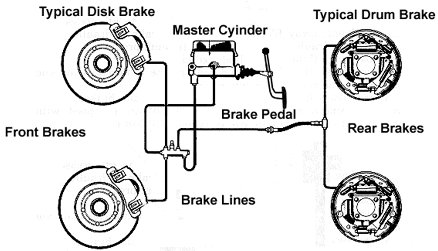
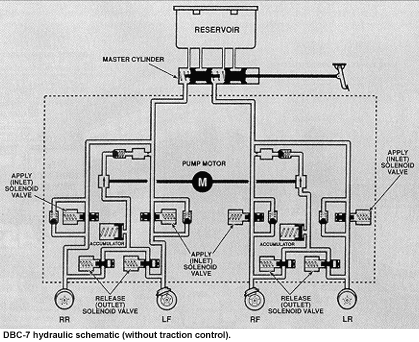
Most modern vehicles use hydraulic braking systems. Hydraulic brakes use brake fluid to transfer pressure from the brake pedal to the braking components at each wheel.
When the brake pedal is pressed, the master cylinder generates hydraulic pressure. Brake fluid transfers that pressure through brake lines and hoses to wheel cylinders or brake calipers.
Modern hydraulic brake systems commonly develop pressures well over 1,000 PSI during heavy braking. That is one reason brake fluid design and brake fluid condition are crucial to the operation of the braking system.
Hydraulic brake components that rely on brake fluid pressure include:
You can learn more about hydraulic brake fluid and brake fluid contamination on our Brake Fluid Service page.
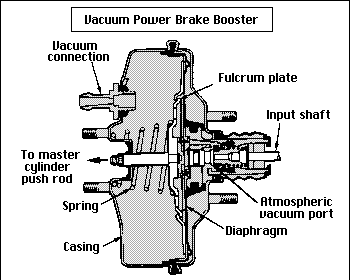
As vehicles became heavier and braking systems became more powerful, manufacturers began adding brake boosters to reduce the amount of physical force required to stop the vehicle.
Older vehicles commonly used vacuum brake boosters. Modern vehicles may use hydroboost systems, electric brake boosters, or electronically controlled braking assist systems. Turbocharged engines, hybrid vehicles, and modern engine management systems have changed the way many brake assist systems are designed.
Brake boosters help increase braking force while improving driver comfort and control. You can learn more about brake booster operation and repairs on our Brake Booster Repair page.
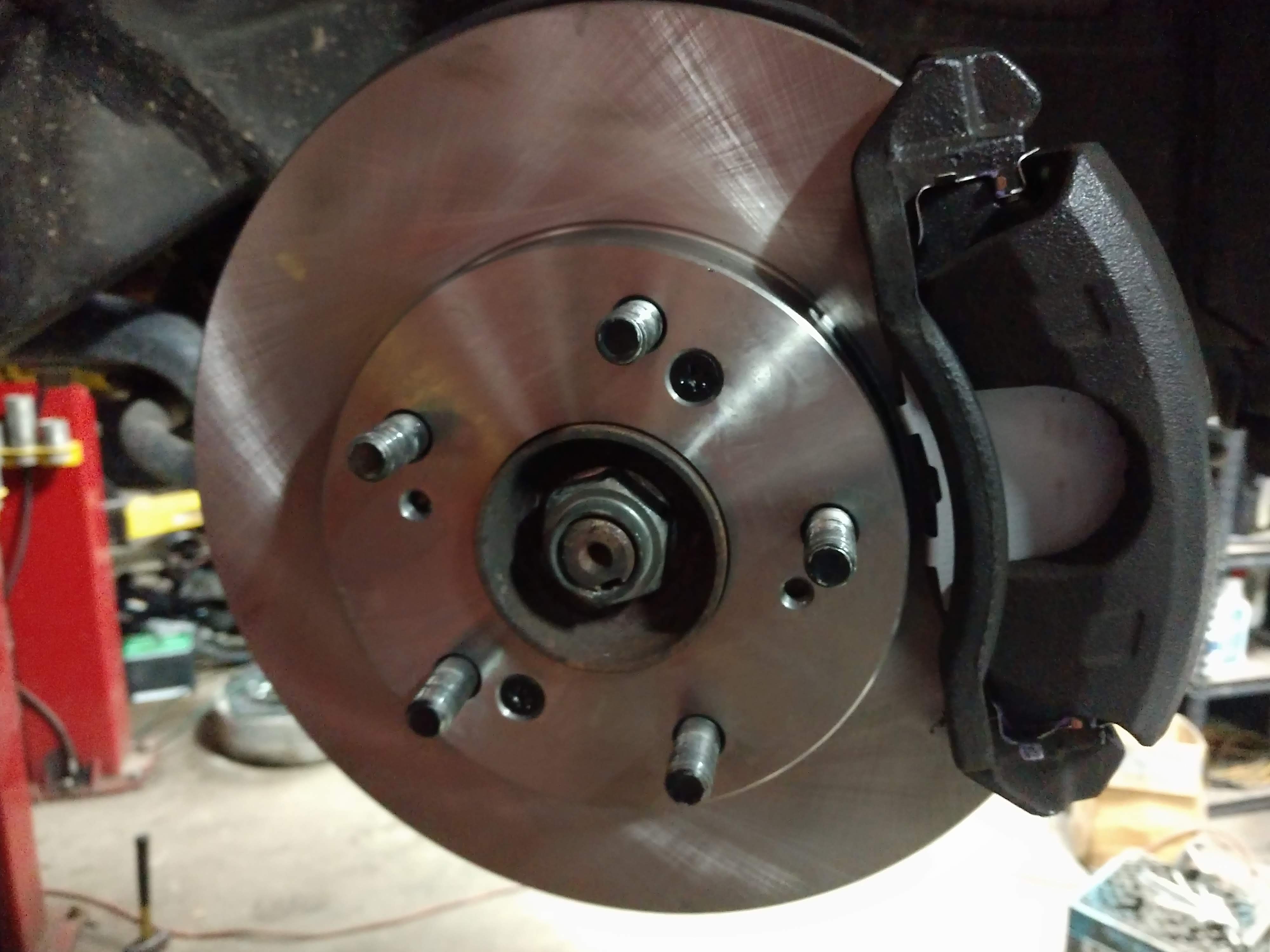
Disc brakes became popular because they dissipate heat better than drum brakes and generally provide more consistent braking performance. Most modern cars and trucks use disc brakes on the front, and many now use disc brakes on all four wheels.
Modern disc brake systems typically use:
Although disc brakes appear simple, proper disc brake repairs require proper cleaning, lubrication, hardware inspection, rotor inspection, brake fluid inspection, and correct assembly techniques.
You can learn more on our Disc Brake Repair page and our Proper Disc Brake Repair Procedures page.
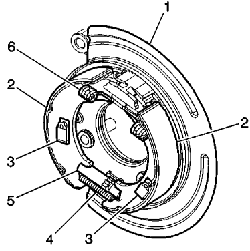
Drum brakes have been used on automobiles for more than a century and are still found on many modern vehicles, especially on rear brake systems and parking brake designs.
Drum brake systems use:
Drum brakes contain many small moving components that must operate correctly and be assembled properly in order for the braking system to function safely. You can learn more about drum brake systems on our Drum Brake Repair page.
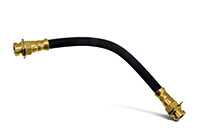
Brake lines and brake hoses carry hydraulic brake fluid throughout the braking system. Corrosion, physical damage, vibration, moisture contamination, or age can eventually cause brake lines or brake hoses to fail.
Brake line leaks should never be ignored because hydraulic brake pressure is critical to braking performance and vehicle safety. You can learn more about hydraulic brake line repairs on our Brake Line Repair page.
As braking systems became more powerful, manufacturers developed methods to control wheel lockup and maintain braking balance. Older hydraulic systems commonly used proportioning valves, combination valves, load-sensing valves, and pressure limiting devices.
These devices helped distribute braking pressure properly between the front and rear brakes. They are easy to overlook, but they are part of the reason a properly designed brake system can stop the vehicle without locking the rear wheels too easily.
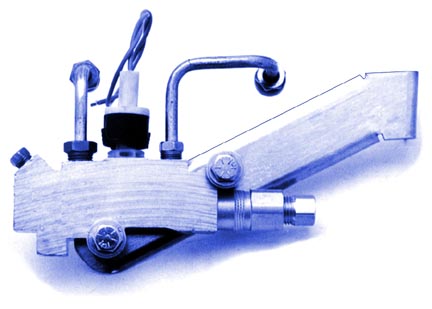
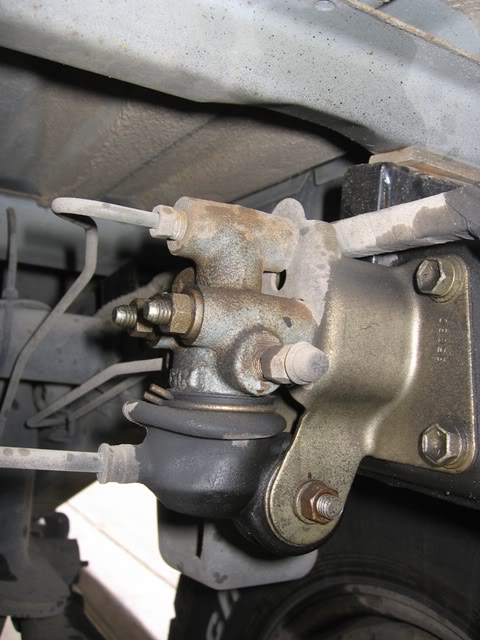
Some vehicles used rear load-sensing proportioning valves that changed rear brake pressure based on vehicle height and load. These systems were especially important on trucks and vehicles that carried changing weight loads.
Modern electronic braking systems now control braking pressure much more precisely using electronic sensors, wheel speed information, and hydraulic modulation.
Anti-Lock Braking Systems were developed to help drivers maintain steering control during heavy braking situations. ABS systems use wheel speed sensors, hydraulic control units, electronic modules, and brake pressure modulation to help prevent wheel lockup.
ABS technology eventually became the foundation for many modern braking and stability systems. You can learn more on our Anti-Lock Braking System Repair page.
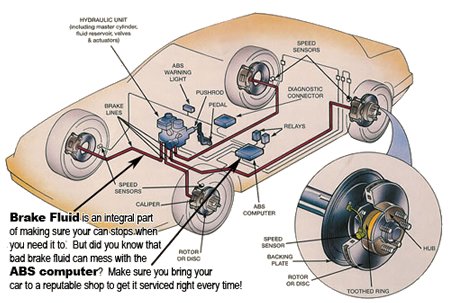
Modern vehicles now use highly advanced braking technologies that combine:
Electronic stability systems can selectively apply braking pressure to individual wheels to help maintain vehicle control during difficult driving situations.
Many hybrid and electric vehicles also use regenerative braking systems to recover energy during braking while still relying on hydraulic braking systems for normal stopping power and emergency braking performance.
You can learn more about these technologies on our Advanced Braking Systems page and our Electronic Stability Control page.
Modern braking systems are far more advanced than many people realize. Proper brake repair procedures require knowledge of hydraulic systems, friction materials, brake fluid chemistry, ABS operation, brake hardware, electronic controls, wheel speed data, and proper service procedures.
At Rock Bridge Automotive Repair, we believe brake repairs should be performed correctly using proper inspection procedures, proper parts, proper brake fluid service, and professional repair methods.
We have spent decades repairing braking systems ranging from older drum brake systems to advanced electronic braking systems found on modern vehicles.
Brake Repair Information
This brake hub page is here to help you understand the braking system and find the detailed page that matches your brake concern.
Learn how brake systems evolved from mechanical cable brakes to hydraulic and electronic braking systems.
Read Brake History
Brake fluid transfers hydraulic pressure and protects modern braking systems when it is clean and correct.
Learn About Brake Fluid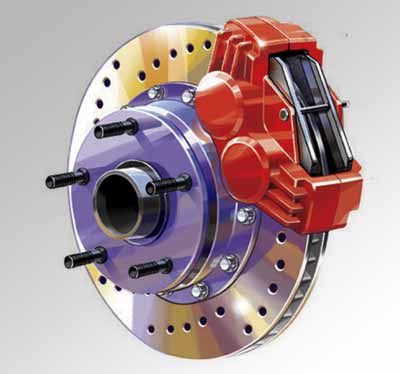
Disc brakes are common on modern vehicles, but proper repair takes more than simply replacing pads.
Learn About Disc Brakes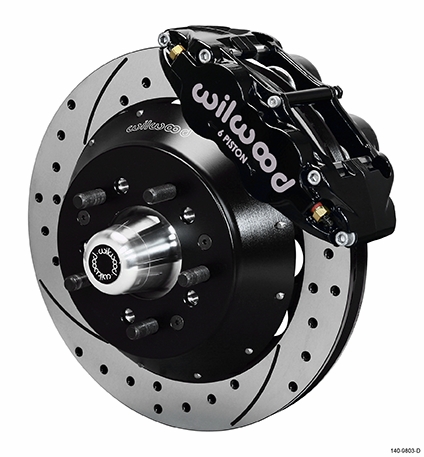
Learn why cleaning, lubrication, hardware, rotor condition, and assembly procedures matter.
See Proper Procedures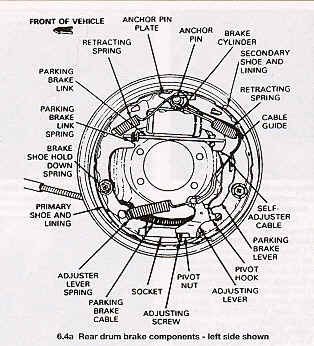
Drum brake systems contain springs, shoes, adjusters, wheel cylinders, and hardware that must work together correctly.
Learn About Drum Brakes
Brake lines and hoses must safely carry hydraulic pressure throughout the brake system. (Shown here on the brake proportioning valve)
Learn About Brake Lines
The master cylinder creates the hydraulic pressure that begins every brake application.
Learn About Master Cylinders
Brake boosters reduce pedal effort and help the driver apply strong braking force.
Learn About Boosters
ABS systems use sensors, hydraulic control, and electronic modules to help prevent wheel lockup.
Learn About ABS
Modern vehicles combine ABS, traction control, brake assist, collision braking, and other electronic braking features.
Explore Advanced Brakes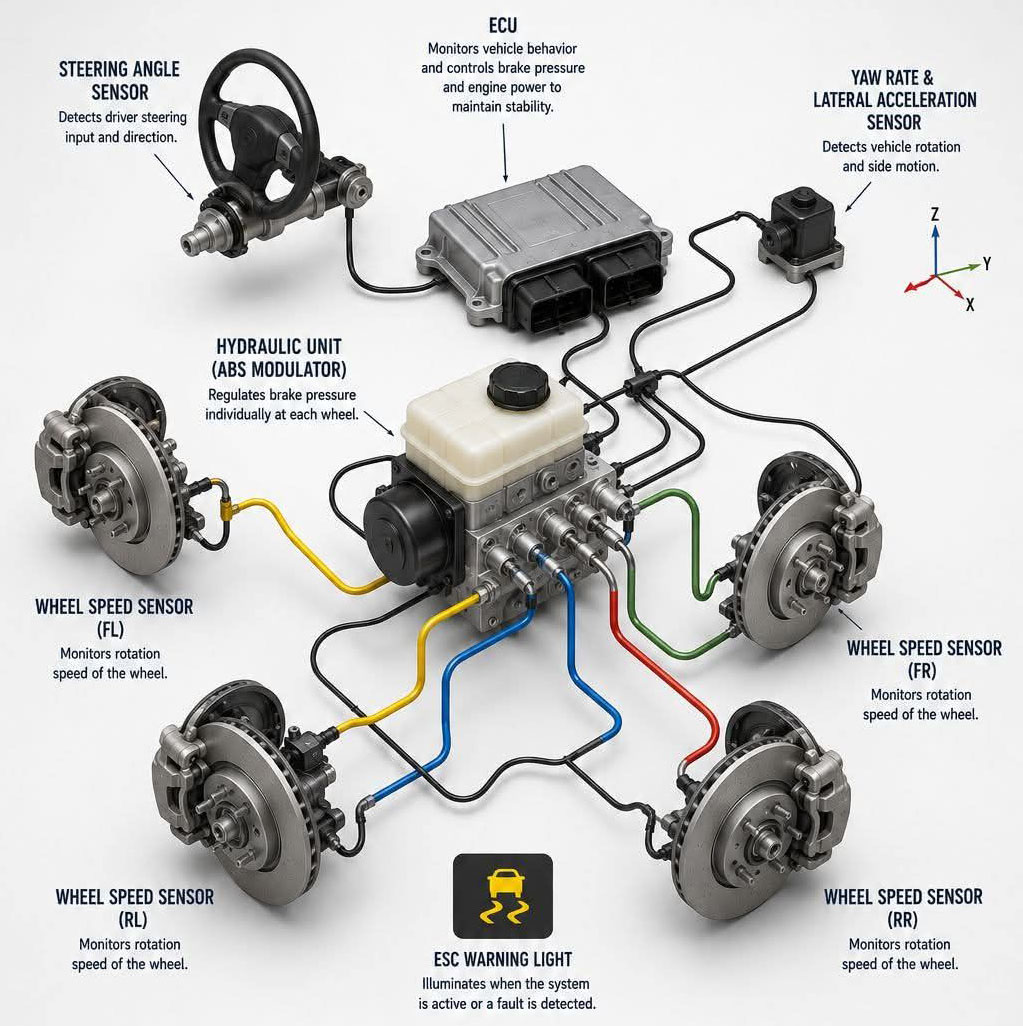
Stability control can use selective braking to help keep the vehicle pointed where the driver intends.
Learn About Stability ControlBrake System Questions and Answers
Braking systems allow drivers to slow and stop the vehicle safely while helping maintain control during emergency situations.
Hydraulic brake systems transfer braking force evenly using brake fluid pressure, allowing modern braking systems to generate tremendous stopping force.
Disc brakes use pads and rotors. Drum brakes use shoes, drums, springs, adjusters, and wheel cylinders. Both systems must be inspected and repaired properly.
ABS systems help prevent wheel lockup during hard braking and help drivers maintain steering control.
Yes. Most hybrid and electric vehicles still use hydraulic braking systems along with regenerative braking systems.
Improper brake repairs can affect braking performance, braking balance, ABS operation, brake wear, hydraulic safety, and vehicle control.
Yes! Contaminated brake fluid can damage every component in the braking system! Moisture-heavy brake fluid can lower boiling point, contribute to corrosion, and affect hydraulic brake system reliability.
Community Discount
We proudly offer a 10% discount to active-duty military members, veterans, and nurses as a thank-you for your service and sacrifice.
Learn About Our DiscountLocal Brake Repair
We provide brake repair and braking system diagnostics for drivers in Bethpage, Gallatin, Portland, Castalian Springs, and throughout Sumner County, Tennessee.
Brands We Service












© Copyright 2026, Rock Bridge Automotive Repair | Honoring America’s 250th Anniversary